
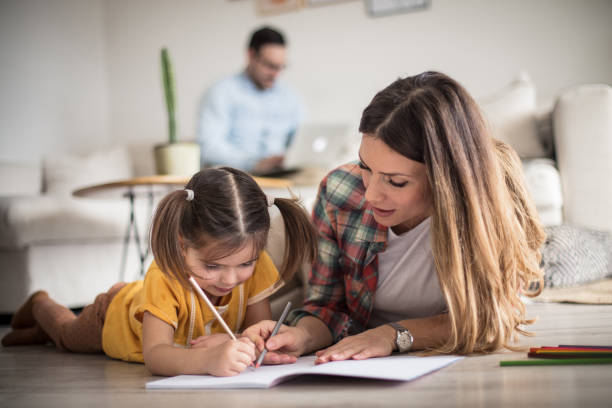
Parenting involves making countless decisions that influence a child’s development, behavior, confidence, and emotional wellbeing. Although every family has its own experiences, parents often encounter similar challenges, such as communicating effectively, establishing routines, managing disagreements, and encouraging independence. Video-based parenting guidance offers an accessible way to learn practical parenting skills, understand child development, and explore helpful approaches to everyday family situations.
With online educational videos, parents can learn at their own pace, revisit important lessons, and discover new techniques without attending in-person workshops. This learning format makes parenting education more convenient for families with busy schedules and different learning needs.
What Is Video-Based Parenting Guidance?
Video-based parenting guidance is an educational approach that uses video lessons, demonstrations, expert discussions, and practical examples to help parents understand and develop effective parenting skills.
These resources may cover topics such as positive parenting, emotional development, communication, discipline, family routines, and age-appropriate expectations. Some videos provide general parenting advice, while others focus on specific challenges experienced by parents of infants, young children, school-aged children, or teenagers.
Videos may be presented by parenting educators, child development specialists, family counselors, or other qualified professionals. They can be offered through online courses, educational platforms, virtual workshops, or parenting support programs.
Benefits of Video-Based Parenting Education
Video learning provides flexibility that many parents appreciate. Families can access educational resources from home, allowing them to learn without adjusting their schedules around physical classes or transportation.
Visual demonstrations can also make parenting techniques easier to understand. Watching examples of respectful communication, positive reinforcement, or conflict resolution can help parents see how different approaches may work in everyday situations.
Another advantage is the ability to revisit lessons. Parents can review a video whenever they need a reminder about a particular technique or want to explore a topic in greater depth.
Video-based learning also allows parents to explore different perspectives and select educational materials that are relevant to their children’s ages, personalities, and developmental needs.
Learning Positive Parenting Techniques
Positive parenting is an important subject in video-based guidance. It focuses on building supportive relationships through encouragement, respect, communication, and consistent boundaries.
Educational videos may explain how parents can recognize positive behavior, encourage cooperation, and guide children through challenging situations. They may also demonstrate how to use calm communication and constructive feedback instead of relying on criticism.
Positive parenting does not mean eliminating household rules. Children benefit from clear expectations, predictable routines, and appropriate consequences. Video lessons can help parents balance warmth and understanding with structure and accountability.
By practicing these techniques regularly, families can develop more respectful interactions and stronger relationships.
Understanding Children’s Emotions and Behavior
Children experience emotions that they may not yet know how to manage or communicate effectively. Frustration, disappointment, excitement, worry, and anger can influence how they respond to different situations.
Video-based parenting guidance can help parents understand emotional development and recognize the factors that may influence children’s behavior. Lessons may explain how to acknowledge feelings, encourage emotional expression, and teach age-appropriate coping skills.
Parents can learn to respond thoughtfully when children become upset, struggle with transitions, or have difficulty following instructions. Understanding emotions can help parents avoid unnecessary misunderstandings and provide more effective support.
Improving Communication Within Families
Effective communication is essential for building trust between parents and children. Video lessons can introduce techniques for active listening, asking meaningful questions, and responding respectfully.
Parents may learn how to encourage children to share their experiences, discuss concerns, and express their opinions without fear of being dismissed. Simple communication habits, such as giving children time to speak and acknowledging their feelings, can make everyday conversations more meaningful.
Educational videos may also provide examples of how to handle disagreements, explain rules, and discuss sensitive subjects in an age-appropriate manner.
Establishing Healthy Routines and Boundaries
Daily routines can help children feel secure and understand what is expected of them. Parenting videos often provide practical guidance on organizing family schedules, managing screen time, encouraging homework habits, and establishing bedtime routines.
Parents can explore ways to create realistic expectations that match their children’s developmental stages. Consistency is important, but routines should also allow flexibility when family circumstances change.
Video lessons may demonstrate how to introduce household responsibilities, encourage cooperation, and help children gradually become more independent.
Supporting Different Stages of Development
Parenting guidance becomes more useful when it reflects a child’s age and developmental stage.
For infants and toddlers, videos may cover communication, early learning, routines, and responsive caregiving. Parents of preschool children may explore emotional development, play, cooperation, and basic boundaries.
School-aged children may benefit from support with friendships, confidence, learning habits, and responsibility. Parents of teenagers may explore independence, respectful communication, decision-making, digital habits, and changing family relationships.
Choosing age-appropriate educational content can help parents focus on the challenges they are currently experiencing.
Managing Parenting Stress
Parenting responsibilities can sometimes become demanding, especially when parents are balancing work, family commitments, and household responsibilities. Video-based guidance may introduce practical approaches to managing stress and maintaining healthier routines.
Lessons can encourage parents to set realistic expectations, communicate with other caregivers, organize daily responsibilities, and seek support when needed.
Parents can also benefit from learning how to pause during difficult moments, reflect on their reactions, and return to conversations when they feel better prepared. Taking care of personal wellbeing is an important part of maintaining a supportive family environment.
Choosing Reliable Parenting Videos
Not every parenting video offers accurate or appropriate advice. Parents should look for educational resources created by qualified professionals or reputable organizations.
Reliable videos generally explain their recommendations, recognize differences between families, and avoid unrealistic promises. Parents should be cautious about content that promotes fear, shame, extreme discipline, or claims that one method works for every child.
For developmental, behavioral, or health-related concerns, educational videos should complement rather than replace advice from qualified professionals.
How to Apply What You Learn
Watching parenting videos is most effective when parents gradually apply useful ideas to their daily routines. Instead of trying to change everything at once, choose one topic that relates to a current family need.
Practice a technique consistently, observe how your child responds, and make adjustments when necessary. Discussing the lessons with a partner or caregiver can also help everyone maintain similar expectations.
Small improvements in listening, encouragement, patience, and consistency can make a meaningful difference over time.
Conclusion
Video-based parenting guidance gives families a flexible way to explore parenting skills, understand children’s needs, and strengthen relationships. Through practical demonstrations and educational lessons, parents can learn about communication, emotional development, positive discipline, routines, and age-appropriate support.
By choosing trustworthy resources and applying what they learn with patience and consistency, parents can build confidence in their decisions and create a nurturing environment that encourages children to develop healthy skills, independence, and emotional resilience.