
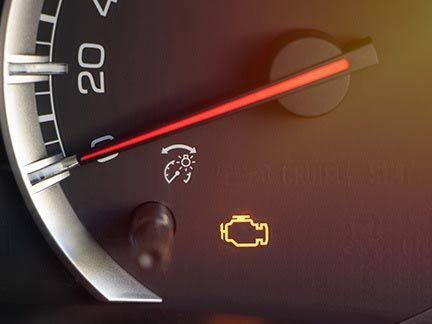
When a warning appears on your dashboard, it is easy to wonder what it means or whether it can wait. In many cases, a warning light points to an issue that deserves prompt attention to help keep your vehicle running safely and reliably. Check engine light repair is an important part of routine vehicle care because it helps identify concerns before they become larger and more expensive.
At Rubicon Garage, professional diagnostics and quality service help drivers understand what their vehicles need without unnecessary guesswork.
Understanding Why the Check Engine Light Appears
The check engine light is connected to your vehicle’s onboard diagnostic system. Modern vehicles constantly monitor engine performance, emissions components, sensors, and other essential systems. When something operates outside its expected range, the system stores a diagnostic trouble code and turns on the warning light.
The light may indicate something relatively simple or a condition that requires immediate attention. While some problems are minor, ignoring the warning could allow small issues to develop into larger repairs over time. A professional inspection helps determine the exact cause instead of relying on assumptions.
Common Reasons the Light Comes On
Several components can trigger the warning light.
Some of the most common include:
Loose or Damaged Fuel Cap
A fuel cap that is loose, cracked, or not fully tightened may allow fuel vapors to escape. This can affect the emissions system and trigger the warning light. Tightening or replacing the cap may solve the issue if no other problems exist.
Faulty Oxygen Sensor
Oxygen sensors monitor the amount of oxygen in the exhaust stream. These readings help the engine computer adjust the air and fuel mixture for proper operation. A failing sensor may affect fuel economy and emissions.
Mass Airflow Sensor Problems
The mass airflow sensor measures the amount of air entering the engine. Incorrect readings can affect engine performance, fuel consumption, and drivability.
Spark Plug or Ignition Coil Issues
Spark plugsand ignition coils work together to ignite the fuel mixture inside the engine. Worn components may cause engine misfires, rough idling, hesitation, or reduced performance.
Catalytic Converter Concerns
The catalytic converter helps reduce harmful emissions. Problems with this component often develop because of unresolved engine issues, making early diagnosis important.
Vacuum Leaks
Vacuum hoses help control several engine functions. Cracked or disconnected hoses may lead to rough engine performance and illuminate the warning light.
Why Professional Diagnostics Matter
Modern vehicles contain numerous electronic systems that work together. Since multiple issues can produce similar symptoms, guessing rarely leads to the correct solution.
Professional technicians use advanced diagnostic equipment to retrieve trouble codes, evaluate live sensor data, inspect affected components, and confirm the root cause before recommending repairs.
This process helps avoid replacing parts that are still functioning properly while addressing the actual source of the problem.
What Happens During a Diagnostic Inspection?
A complete inspection generally includes several steps.
Reading Diagnostic Trouble Codes
The technician connects a scan tool to the vehicle’s onboard diagnostic port. Stored trouble codes provide valuable information about which systems require further inspection.
Visual Inspection
After retrieving codes, the technician checks wiring, connectors, hoses, belts, and visible engine components for signs of wear or damage.
Testing Individual Components
Many trouble codes require additional testing because one code can have multiple possible causes. Technicians verify sensor operation, electrical signals, and mechanical condition before confirming the repair.
Performing Necessary Repairs
Once the source is identified, the required repairs are completed using appropriate replacement parts and manufacturer-recommended procedures whenever applicable.
Verifying the Repair
After repairs are finished, technicians confirm that the warning light remains off and that all monitored systems operate correctly during testing.
Why Ignoring the Warning Light Can Become Costly
Although some causes are relatively minor, delaying service may allow problems to become more severe.
For example:
- Engine misfires may damage the catalytic converter.
- Fuel system issues may reduce fuel efficiency.
- Sensor failures may affect emissions performance.
- Small electrical faults may develop into larger wiring problems.
Prompt attention helps maintain vehicle reliability while reducing the chance of more extensive repairs later.
Flashing Light vs. Steady Light
Not every warning light requires the same level of urgency. A steady check engine light usually indicates that the vehicle should be inspected soon. While the vehicle may continue operating normally, scheduling service promptly is recommended.
A flashing check engine light often signals a more serious issue, such as an active engine misfire. Continuing to drive under these conditions may increase the risk of engine or catalytic converter damage. Safely stopping the vehicle and arranging professional service is generally the best course of action.
Can Regular Maintenance Help Prevent Problems?
Routine maintenance plays an important role in keeping vehicle systems operating properly.
Regular service may include:
- Replacing spark plugs at recommended intervals
- Changing engine air filters
- Performing scheduled oil changes
- Inspecting ignition components
- Checking hoses and vacuum lines
- Monitoring battery and charging system performance
- Performing periodic diagnostic inspections
Keeping up with maintenance allows technicians to identify worn components before they contribute to larger mechanical issues.
Understanding Diagnostic Trouble Codes
Many drivers assume a trouble code identifies the exact failed part. In reality, a code identifies the system where the issue was detected. For example, a code related to oxygen sensor performance does not always mean the sensor itself has failed.
Wiring problems, exhaust leaks, engine performance issues, or fuel delivery concerns may produce similar codes. This is why professional diagnosis is far more valuable than replacing parts based solely on the displayed code.
Does the Light Always Reset Immediately?
Many vehicle owners ask, does check engine light turn off automatically after repair?
In many cases, the answer is yes, but not always immediately. After the underlying issue has been corrected, the vehicle’s computer may need to complete several normal driving cycles before confirming that the repair was successful. During this process, the system performs self-checks on various components.
In some situations, technicians may clear stored diagnostic codes after verifying the repair. If the problem has truly been resolved, the warning light should remain off as the onboard system completes its monitoring process. If the light returns, additional diagnosis may be needed because another related issue may still be present.
Choosing an Experienced Repair Facility
Finding the right repair shop gives you greater confidence in the diagnosis and recommended service.
A quality repair facility typically offers:
- Experienced technicians
- Modern diagnostic equipment
- Clear explanations of findings
- Honest repair recommendations
- Thorough inspections
- Quality replacement parts
- Careful verification after repairs
Open communication helps you understand both the cause of the warning light and the steps taken to correct it.
Keep Your Vehicle Running with Confidence
Taking dashboard warnings seriously helps protect your vehicle’s performance, reliability, and long-term value. Scheduling check engine light repair promptly allows small concerns to be identified before they become larger mechanical problems.
Whether the issue involves sensors, ignition components, emissions systems, or electrical connections, understanding does check engine light turn off automatically after repair can help set the right expectations after service.
Rubicon Garage is committed to helping drivers receive dependable vehicle care with accurate inspections and quality repairs that support safe and confident driving.