Manufacturers also give important experience in areas like material selection, finishing techniques, manufacturing procedures and customisation choices. With their technical expertise, companies can make educated choices that result in better product quality and commercial success.
Being in a long-term cooperation means that the manufacturer knows the design preferences, quality expectations and manufacturing needs of each brand over time, which adds more efficiency. This familiarity helps the workflow better and speeds up the production of subsequent collections.
Ultimately, collaboration leads to superior goods, since both sides are working towards the same goal: outstanding Jewelry Manufacturers jewellery that delights the client and enhances the brand’s reputation.
Innovation is the Future of Jewellery Manufacturing
Innovation continues to transform every facet of jewellery manufacture, opening new avenues for businesses to increase quality, efficiency and consumer happiness. As industry needs change, manufacturers are investing in sophisticated technology, better production methods and better workmanship.
Artificial intelligence, digital production management, smart material processing and improved quality inspection technologies are slowly becoming part of contemporary industrial processes. These advances lead to better decision making, less manufacturing mistake and better efficiency.
The jewellery manufacturing industry continues to evolve with new technology, better production processes, more ability to customise and more cooperation between brands and producers. The jewellery production process has changed a lot throughout the years. Production still depends on traditional workmanship, but contemporary technology have changed the way jewellery is conceived, made, tested and distributed. Today’s jewellery producers mix the best of high tech computerised devices with expert artisanship to produce jewellery that fulfils exacting standards of quality, durability and consistency.
All Jewellery Starts With A Concept And Design Development
The whole process of production is incredibly beneficial for jewellery companies, merchants, designers and wholesalers. It helps with cooperation with manufacturers, sets realistic production expectations, helps with quality control and allows companies to build collections that are in line with client desires. Every step from idea to design to shipping adds to the ultimate success of the completed product. Brands that know and tell their production process frequently generate higher trust and credibility with their consumers.
Although workflows may vary differently among various manufacturers according to their specialisation and production capabilities, the overall manufacturing journey moves in a systematic sequence with precision-focused steps at each level. The design stage is one of the most significant stages, since all decisions taken in this stage will have an effect on manufacturing, durability, appearance and overall consumer satisfaction. With each idea developed, designers carefully analyse the size and proportions, structural strength, wearability, and placement and balance of the gemstones.
Modern jewellery design depends significantly on computer assisted design software that enables designers to make very detailed three-dimensional models before to manufacture. These computer models enable visualising the end result from numerous perspectives and making alterations before any materials are utilised.
At this time, producers may also provide technical ideas on how to increase the efficiency of manufacturing or durability, without affecting the overall design of the jewellery. The efficiency of production is improved and the probability of quality problems later on is reduced by preparing materials correctly before manufacture. If you plan well at this point, it will be a good basis for successful manufacture.
Precision Manufacturing Brings Design to Life
The manufacturing processes differ based on the design complexity, the production volume and the degree of customisation. The modern jewellery makers are provided with high tech equipment which can make complex details with amazing precision and uniform quality from piece to piece.
Many jewellery designs start with a precision casting as their fundamental structure, and then the refining starts.
With all design details finalised and authorised, the project continues into the next phase of manufacturing when digital conceptions start to turn into actual jewellery. Material planning also involves assessing interaction between various components when production. Some designs demand certain ways of making them to keep the look and strength. Experienced manufacturers know these linkages well and they will offer suitable solutions during the planning of the production.
Durability testing helps ensure jewellery can stand up to typical daily use without sacrificing look or structural integrity. They examine the connections, clasps, settings, and quality of the assembly. Manufacturers try to minimise the risk of products failing in future.
Visual uniformity is also a big thing especially if organisations are purchasing many machines. No matter the amount of manufacturing, each jewellery item must have the same level of finishing, colour, gloss and overall look.
The Final Appearance is Produced by Stone Setting, Polishing and Finishing
Once the jewellery construction is done, producers enter one of the most sensitive phases of manufacturing. Stone setting, polishing, engraving and finishing convert produced components into stunning finished jewellery ready for final examination.
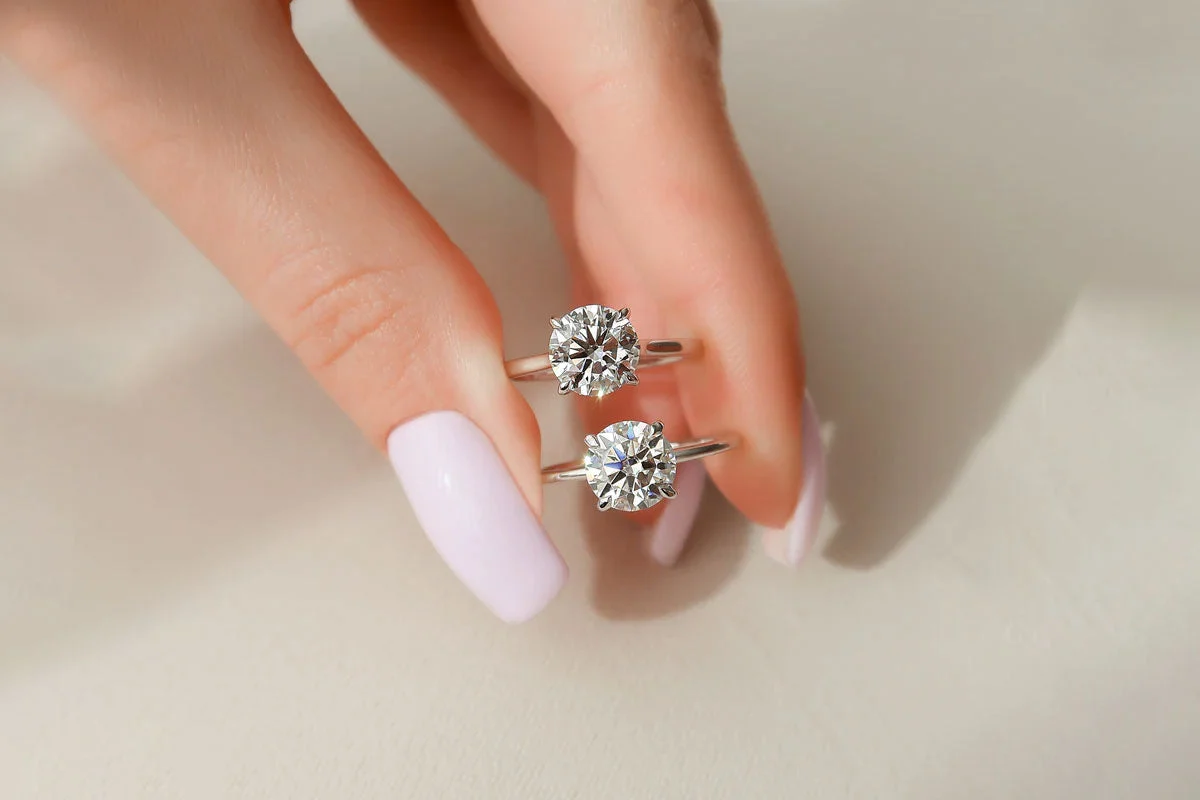
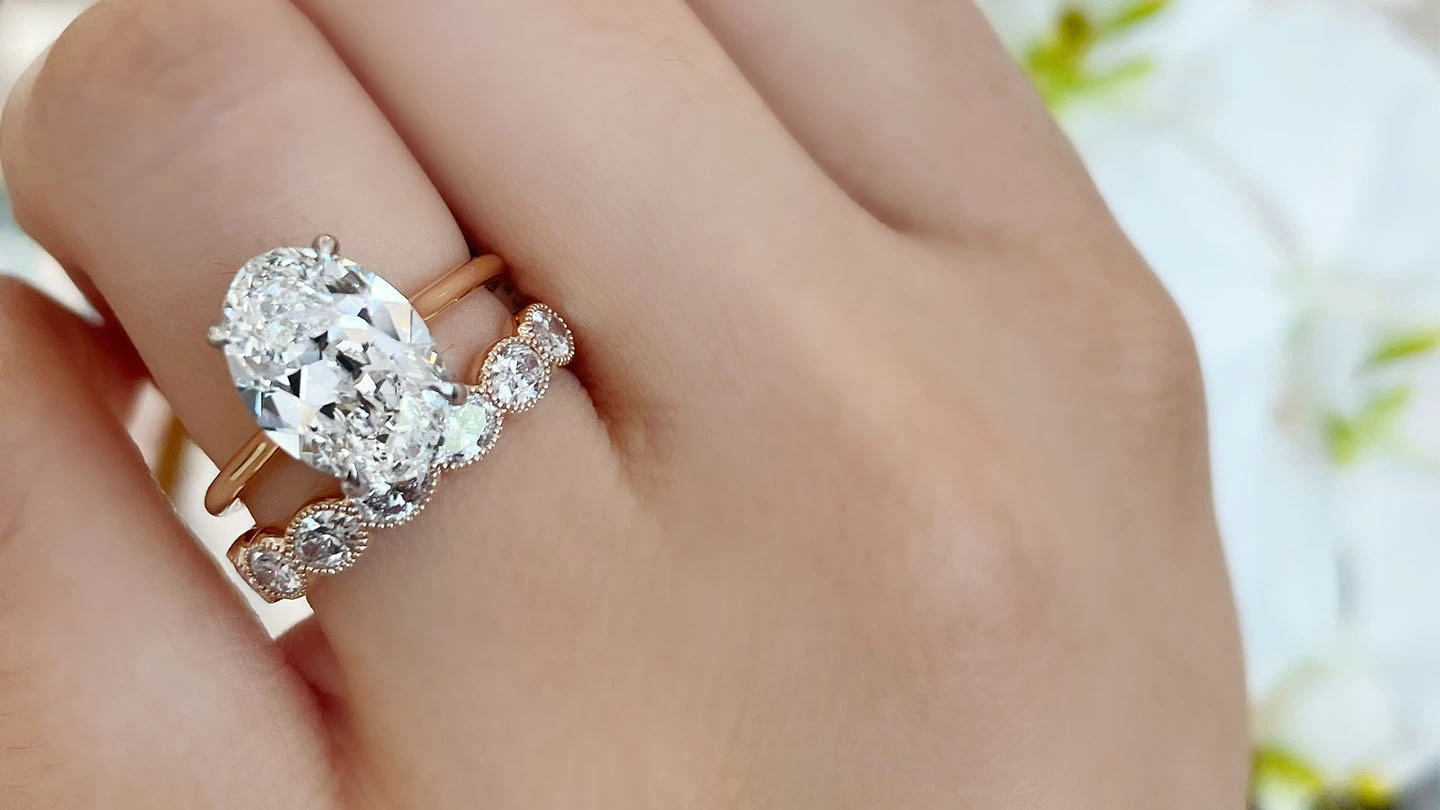
Stone setting takes a lot of skill, since the jeweller has to make sure each gem is safe, but also enhances the overall attractiveness of the design. Craftsmen skilled in their field place each stone with attention to the design requirements to ensure symmetry, stability and maximum visual appeal.
Some collections include ornamental engraving or bespoke engraving. More accuracy is needed for these aspects, since even tiny mistakes may damage the overall look of the jewellery. The combination of the most advanced engraving technology and great artistry produces crisp and precise ornamental accents. Each finish is meticulously applied to create a consistent collection.
Comfort gets its time also at this era. Manufacturers refine edges, test clasp operation, check weight distribution and guarantee jewellery is comfortable for regular use. These adjustments are important to client happiness.
By the conclusion of this step, the jewellery looks quite similar to the completed product that clients will get. All that’s left is a thorough quality inspection and packing for shipment.
Finally
There are several inspections throughout manufacturing, but the final quality control is the most thorough assessment of finished jewellery. Thorough inspectors look at every aspect before authorising things for distribution.
Quality assessments include of dimension, construction integrity, gemstone security, polishing consistency, engraving precision, surface quality, symmetry and overall workmanship. All parts must be of authorised specification and of the Jewelry Manufacturers quality requirements.