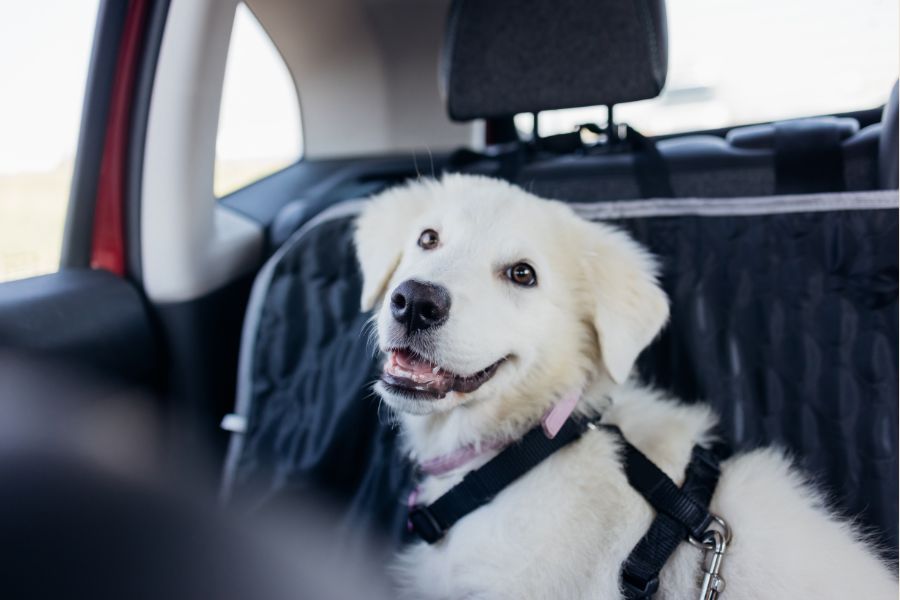
Moving back to mainland China with a pet is not just about booking a flight. It’s about preparing documents, understanding rules, and timing everything correctly. If you miss one step, your pet could face delays, quarantine, or even rejection at the border. This guide is for Hong Kong pet owners who want to 帶寵物回大陸.
1. Check the entry requirements early
Before anything else, confirm the rules for your destination city in Mainland China. Requirements can vary by province, and some cities may have specific quarantine rules. Generally, you need:
- A valid microchip
- Rabies vaccination within a certain timeframe
- Health certificate from an authorized vet
- Import permit (if required)
If you skip this step, you may waste time and money preparing documents that won’t be accepted.
2. Microchip and vaccination timeline
A common mistake is getting the rabies vaccine too late or too early. Most places require the vaccine to be administered after the microchip is implanted, and within a specific time window before travel. Your vet should also confirm the microchip is ISO compliant and readable. If the microchip can’t be read, your pet might not be allowed to enter.
What to check:
- Microchip number matches all documents
- Rabies vaccine date is valid
- Your pet’s age meets vaccination requirements
If you are unsure, ask your vet to verify everything before you move to the next step.
3. Health certificate and government approval
Your pet needs a health certificate issued by an authorized veterinarian. This certificate often requires government endorsement. The document must include:
- Pet’s details (breed, age, gender)
- Microchip number
- Vaccination history
- General health status
Many owners think a simple vet letter is enough, but Mainland China requires official documentation. Missing stamps or incorrect details can cause major delays.
4. Book the right flight and transport method
There are two main options to bring your pet from Hong Kong to Mainland China:
Option A: Direct flight
If you can find a direct flight, it is usually the safest choice. Your pet has less travel time and fewer chances of issues.
Option B: Cargo or specialized pet transport
Some airlines don’t allow pets in the cabin, or they may only allow certain breeds. Cargo transport can be more complex but is sometimes the only option for large pets.
Before booking, confirm:
- Whether pets are allowed in cabin or cargo
- The airline’s specific rules for pet transport
- Any temperature or seasonal restrictions
5. Border checks and arrival process
When you arrive in Mainland China, your pet will go through customs inspection. Be prepared with:
- Original documents
- Copies of all certificates
- Your contact information and destination address
If everything is in order, the process is usually smooth. But if documents are missing or mismatched, your pet may be held for inspection or quarantine.
6. After arrival: settle your pet safely
Once your pet is cleared, don’t forget the most important part: settling them into the new environment. New smells, sounds, and routines can be stressful. Give them time to adjust and maintain a calm schedule.
Tips:
- Keep familiar toys and bedding
- Maintain regular feeding times
- Avoid long walks on the first day
帶寵物回大陸 can be smooth if you prepare correctly. The key is timing and accurate documentation. If you follow these steps, your pet will arrive safely and start enjoying their new home quickly. You can get help from www.pettravel.hk for safe and sound pet transportation.